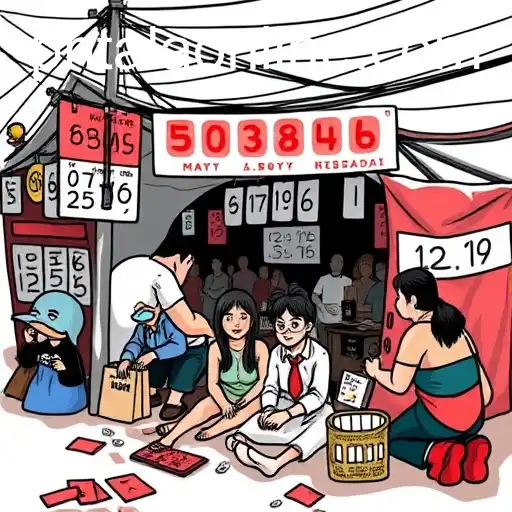
Understanding the Phenomenon of Jueteng in the Philippines
Jueteng, a popular and controversial numbers game in the Philippines, has long been a part of the nation's cultural and socio-economic landscape. Despite numerous efforts by authorities to curb its prevalence, jueteng continues to thrive, providing both a source of income and concern across various sectors. This article delves into the intricacies of jueteng, shedding light on its history, mechanics, and its pervasive impact on Filipino society.
The Origin of Jueteng: Unveiling Its Roots
Jueteng is believed to have originated from China, making its way to the Philippines during the Spanish colonial period. Derived from the Hokkien words "hue" meaning "flower" and "teng" meaning "to bet," this game involves players selecting numbers in the hope of winning cash prizes. Over the centuries, jueteng has evolved into a well-established underground activity, deeply embedded in the daily life of many Filipinos.
The Mechanics of Jueteng: How It Works
At the core of jueteng is its simplicity. Players select a pair of digits, typically choosing numbers from one to thirty-seven. Bets are placed through a network of cobradores or collectors who take the wagers and distribute the winnings. The winning numbers are drawn twice a day, often behind closed doors, adding a layer of mystery and excitement to the game.
Jueteng operates outside legalized gambling frameworks, relying on its informal structure to engage communities, often in rural or economically challenged areas. This accessibility, coupled with the potential for substantial rewards, maintains its popularity despite ongoing crackdowns by law enforcement.
The Socio-Economic Impact of Jueteng
The game of jueteng carries with it significant socio-economic implications. On one hand, it serves as a crucial livelihood opportunity for both the bettors and the numerous individuals involved in its operation. The industry surrounding jueteng funnels money into local economies, providing an economic stimulus where formal employment may be scarce.
On the other hand, jueteng is often associated with corrupt practices and political manipulation. Reports frequently implicate local officials and law enforcement personnel in receiving protection money to allow operations to continue unhindered. This dynamic fosters an environment of mistrust and hinders the government's efforts to maintain transparency and governance.
Legal Efforts and Challenges
The Philippine government, in collaboration with law enforcement agencies, has made persistent attempts to eradicate jueteng. Campaigns against illegal gambling often include arrests and crackdowns. Despite these efforts, jueteng proves to be resilient, sprouting again in different localities, much like a weed resistant to conventional eradication methods.
One of the major challenges in eliminating jueteng is its deep-rooted acceptance within communities. Many Filipinos view it not just as a game, but as an integral aspect of their social lives. Additionally, the lack of viable economic alternatives for those involved in the jueteng industry complicates matters, making prohibition difficult without addressing broader socio-economic issues.
Cultural Significance of Jueteng
Beyond economics, jueteng holds cultural significance, often being integrated into the societal fabric of certain regions. Festivals and community events may feature jueteng draws, adding to its allure and community acceptance. This cultural entrenchment showcases the duality of jueteng as both a vice and a social glue.
Understanding this cultural importance is crucial for policymakers who aim to replace or reform jueteng. Initiatives must respect this cultural space while offering viable alternatives to fulfill the same societal roles that jueteng currently plays.
The Role of Jueteng in Modern Filipino Society
In today’s digital age, jueteng remains predominantly a traditional game, but its mechanisms and impact have modern nuances. With advancements in technology and communication, the organization of jueteng can take on more sophisticated forms, challenging the enforcement of anti-gambling laws. Discussions around regulating jueteng or integrating it within a legal framework akin to the Philippine Charity Sweepstakes Office operations emerge occasionally.
Such discussions reflect the complexity and enduring presence of jueteng in Filipino life. Any sustainable solution must balance the need for regulation with the understanding of jueteng's ingrained societal role. It requires a nuanced approach that considers both the potential harm of unregulated gambling and the social dynamics at play.
Jueteng, with its multifaceted presence in the Philippines, represents more than just a gambling issue; it mirrors broader socio-economic and cultural narratives. Addressing the jueteng phenomenon is not merely about enforcement but about engaging with a reality that many have grown up with and around. As the nation continues to grapple with this contentious game, the challenge remains to foster an environment where legal alternatives exist, trust in governance is restored, and cultural practices are respected.